

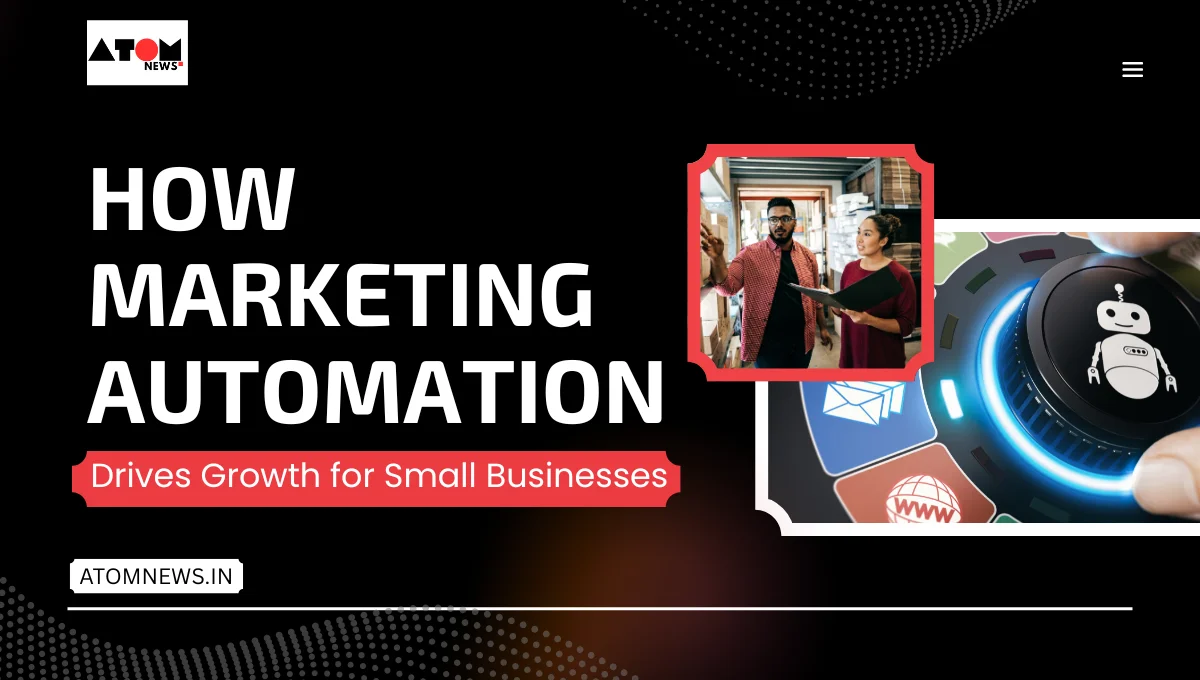
Small businesses in India operate in a highly competitive environment where budgets, teams and time are limited—but customer expectations are not. With digital adoption at an all-time high and consumer behaviour shifting rapidly, small businesses can no longer rely only on manual outreach or one-size-fits-all communication. Marketing automation is emerging as a powerful solution that helps small businesses scale efficiently, stay consistent and drive meaningful customer engagement without dramatically increasing operational costs.
Marketing automation has moved from being a “big brand tool” to an accessible growth system for startups, solopreneurs and MSMEs. Platforms like Zoho, HubSpot, Mailchimp, ActiveCampaign and many Indian SaaS players have made automation affordable and easy to implement. For many small businesses, automation has become a silent assistant—working 24/7 in the background to nurture leads, onboard customers, follow up intelligently and drive repeat purchases.
Why Marketing Automation Matters Now
Customer journeys are no longer linear. Small business buyers explore social media, email, websites, reviews, WhatsApp and marketplaces before making a decision. Marketing automation helps brands stay visible throughout that journey.
According to the HubSpot Marketing Trends Report 2024, businesses that use automation generate up to 72% more leads while reducing repetitive workload by 30–45%.
Automation ensures consistency—something small businesses often struggle with due to limited manpower.
Automated Lead Nurturing Creates Better Conversion Outcomes
Many small businesses lose leads not because the product is weak—but because follow-ups are inconsistent or delayed. Marketing automation solves this by sending timed, intelligent messages based on user behaviour.
A potential customer who downloads a brochure, visits the pricing page twice or abandons a cart should not receive the same message as someone hearing about the business for the first time. Automation tools personalise communication based on intent signals, making lead nurturing more effective.
The Salesforce Small Business Report 2024 shows that automated follow-ups improve conversion rates by up to 2.3x in SME sales cycles.
Personalisation at Scale—Without Hiring More People
Customers expect customised engagement—not generic broadcasts. Marketing automation uses behaviour-based segmentation to tailor:
- Emails
- Offers
- Retargeting ads
- Messages
- Recommendations
For small businesses, this means they can act “big” without the overhead of a large marketing team. Personalised journeys create a feeling of connection, which builds trust and repeat business.
Automation Reduces Marketing Costs and Improves ROI
Instead of spending heavily on manual campaigns, automation enables continuous engagement with minimal additional cost. Once workflows are set up, they keep running, optimising ad spend, reducing waste and improving targeting.
A Mailchimp Small Business Benchmark Study (2024) reported that automated campaigns achieve higher open rates (36%+) and nearly double the click-through rates compared to one-time bulk blasts.
This efficiency helps small businesses compete with larger players without overspending.
Retention and Repeat Purchases Become Easier
Acquiring a new customer is more expensive than retaining an existing one—something especially true for small businesses. Automation supports retention through:
- Renewal reminders
- Birthday and seasonal greetings
- Loyalty-based offers
- Abandoned cart recovery
- “We miss you” messages
Repeated, well-timed communication helps brands remain relevant and encourages repeat action without relying on manual reminders.
Better Reporting Means Better Decisions
Marketing automation platforms provide data on:
- Open rates
- Click behaviour
- Drop-off stages
- Best-performing channels
- Campaign ROI
- Top converting audiences
With insights like these, small businesses avoid guesswork and build smarter strategies. The Statista Automation & Insights Forecast suggests that data-backed small businesses grow 30–45% faster than those relying purely on manual intuition.
Final Insight
Marketing automation has become more than a digital tool—it is a growth engine for small businesses. It enables consistency, improves efficiency, strengthens customer relationships and creates reliable conversion pathways. As India’s digital ecosystem becomes more crowded, the businesses that scale intelligently—not manually—will lead the next wave of growth. Automation empowers small brands to compete with large enterprises while staying lean, agile and customer-centric.